



Hand-Tied vs Machine Wefts: The Real Difference (And Why Wefts Are Suddenly Everyone's Favourite)
What's actually different structurally, why the whole category is having a moment, and how to match it to the client in your chair.
Two very different builds
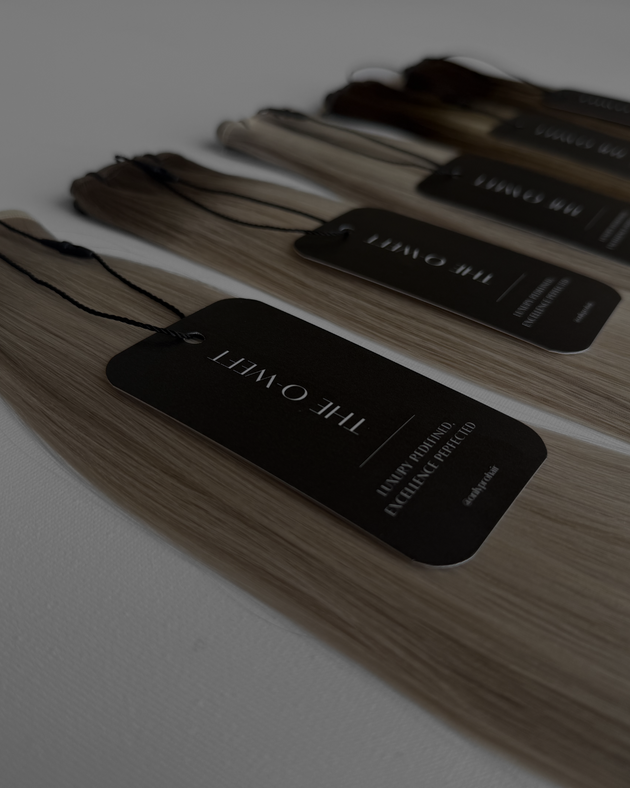
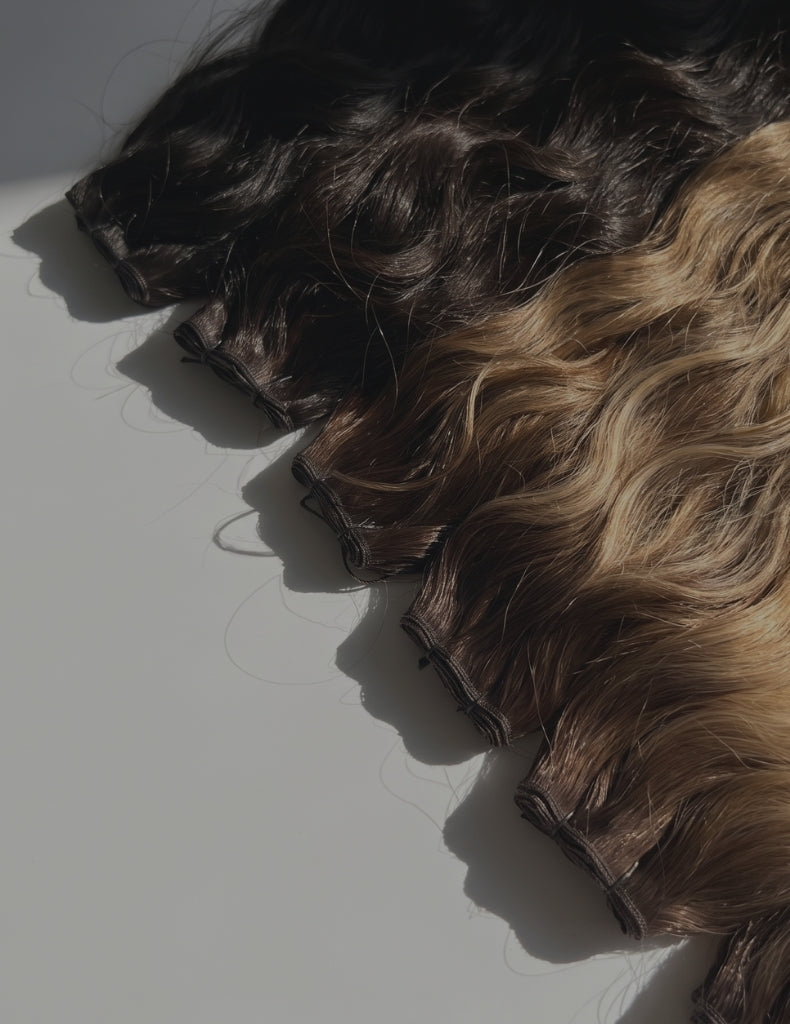
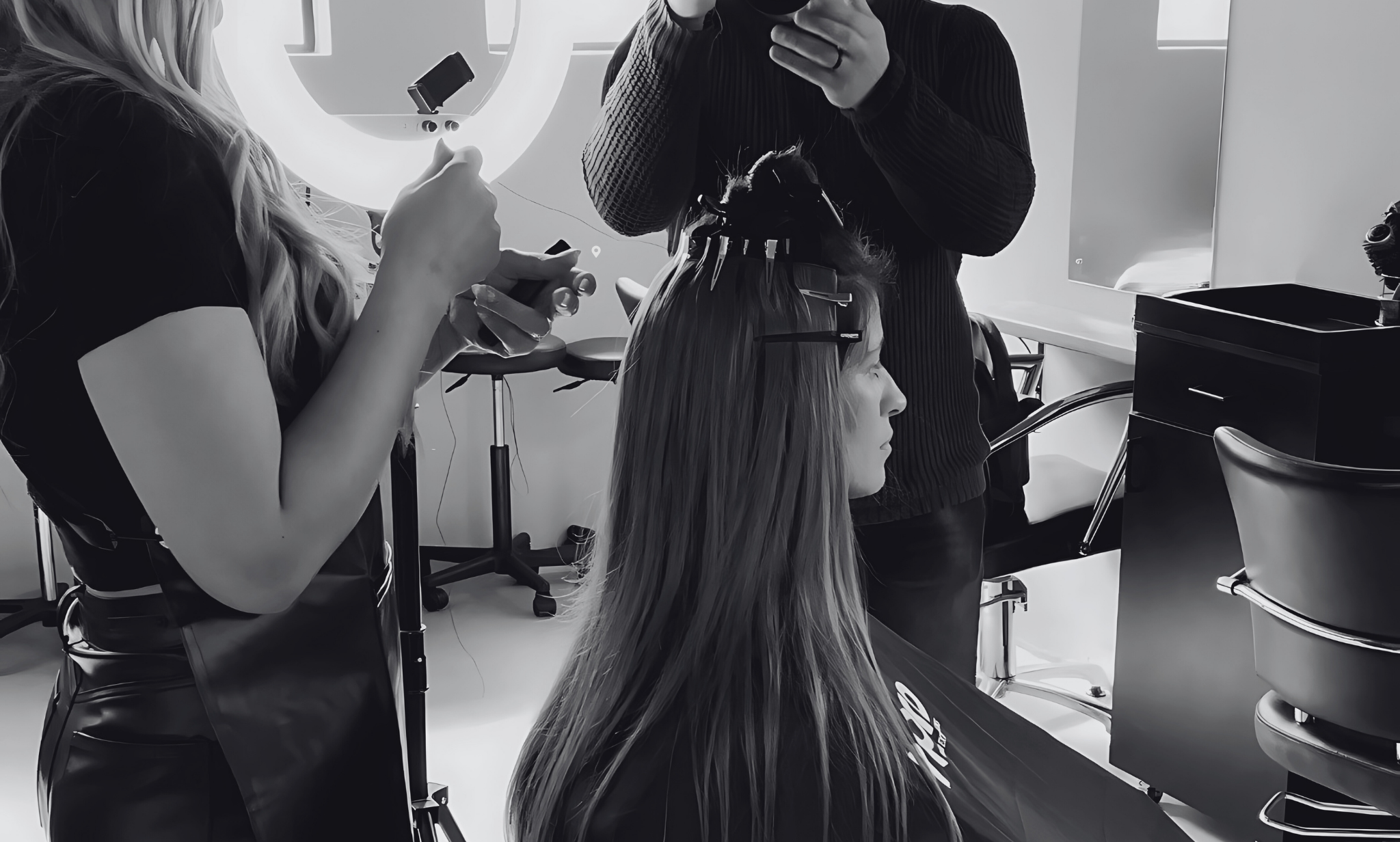
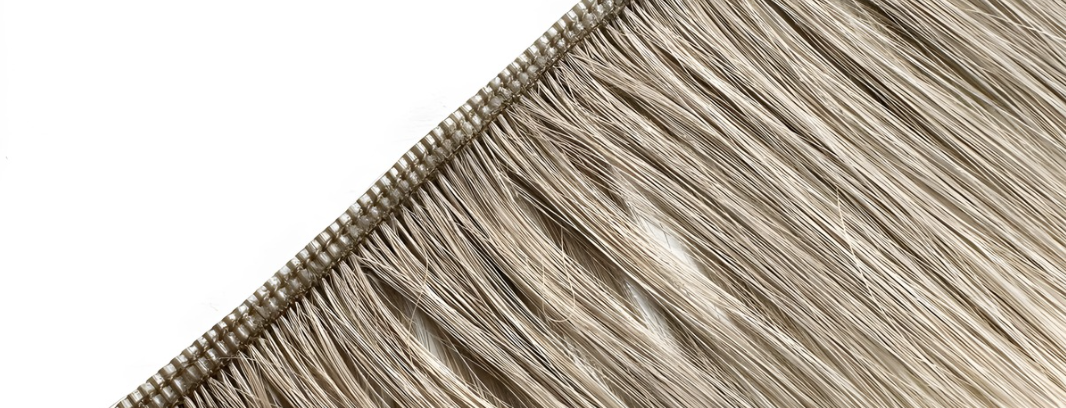
Hand tied versus machine weft extensions is one of the most common method questions stylists face, and the honest answer depends entirely on the client in your chair. Hand tied wefts are constructed strand by strand along a fine track slower to make, and it shows in a thinner, flatter base. Machine wefts are sewn along a thicker, double or triple stitched track. Neither is inherently "better" they're just built differently, for different needs.
Why machine wefts are having a moment
Construction has genuinely improved over the last few years. A well made modern machine weft can sit far flatter and more undetectably than it used to, while often holding up more consistently under everyday wear than a hand tied alternative. If you've been dismissing machine wefts as the "budget option," it might be time to revisit that.
Weight and comfort, side by side
Both spread tension along a horizontal row, rather than one single point, so both generally sit gentler than point bond methods like K-tip. But track density between the two affects how that weight actually feels, especially on finer natural hair, worth testing against your specific client rather than assuming.
So which one do you actually recommend?
Base it on the client in front of you: their natural density, how flat they need the base to sit, how much durability matters given their real maintenance habits. Not on whichever one's trending on your For You page this month.
Why wefts overall are suddenly everywhere
Zoom out, though, and there's a bigger story here. Weft popularity looks like a sudden trend from the outside, but it's really the result of steady construction improvements, on both the hand-tied and machine side, finally reaching a tipping point clients can feel. Weight spread across a row feels gentler day to day than point bond methods, and clients notice that almost immediately compared to what they've tried before. Add in a bit more scheduling flexibility than some point bond methods offer, and "fits my actual schedule" turns out to be a bigger driver of popularity than anyone gives it credit for. Wefts also just photograph and explain well online, the construction is visually intuitive in a way tape and bonds sometimes aren't, which makes it easy for a happy client to recommend to a friend.
A quick way to explain your choice
If a client asks why you picked one over the other, you don't need a lecture. "Your hair's fine and dense, so a flatter hand tied base will sit better" or "you want low maintenance and a durable seam, so let's go machine" , short, specific, done.
The takeaway
Both are legitimate, well engineered options when they're made properly, and the current wave of weft popularity isn't hype for hype's sake, it's comfort, flexibility, and better construction converging at once. Pick based on the client's hair and lifestyle, and be ready to explain why. Clients increasingly research this stuff before they sit down, and a confident, specific answer builds real trust.

Leave a comment
This site is protected by hCaptcha and the hCaptcha Privacy Policy and Terms of Service apply.