






What K-Tip Bonds Feel Like Day One vs. Week Six (Setting Real Expectations
Here’s a scenario every stylist knows a little too well: it’s week four, and a client calls, half panicked, convinced their keratin bond extensions are “going bad.” Nothing’s actually wrong. Their hair just grew like hair does and nobody warned them what that would feel like. That one phone call is completely avoidable, and it starts with a five minute conversation at the install appointment.
Let’s walk through what K-Tip bonds actually feel like at each stage, so you can hand this exact timeline to your clients and skip the anxious mid cycle texts altogether.
Day One: Smooth, Small, and Barely Noticeable
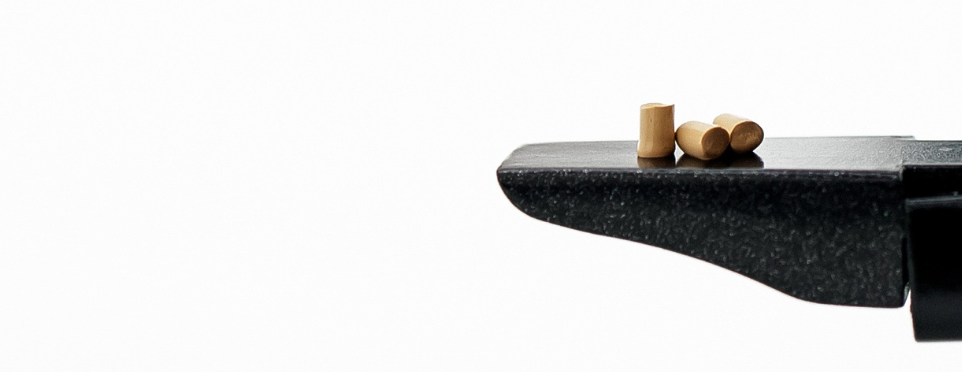
Freshly applied keratin bond extensions are compact, rounded, and sit close to the scalp. Clients shouldn’t feel much at all when their hair’s down mostly just awareness that something new is there, not discomfort.
A little tightness for the first day or two, especially around the crown and temples, is completely normal. Tell them that upfront. It should ease off within 48 hours, not build.
Week One to Two: The Bonds Settle In
This is when the keratin softens slightly and starts moulding to the natural hair’s shape. Clients sometimes say the bonds feel “less obvious” by this point — that’s a great sign, not something to worry about.
One thing worth repeating here: no oil based products applied right at the root. This is prime time for bond slippage, mostly because clients slide back into their old haircare habits without adjusting for extensions.
Week Three to Four: Growth Becomes Noticeable
Here’s the part that trips up almost every client who wasn’t warned in advance. As natural hair grows, the bond drifts further from the scalp, sometimes just half a centimetre, sometimes more, depending on their growth rate. Styling close to the root might start to feel slightly different, a bit more textured.
This is expected. It’s not a failing bond. Say this clearly at the install appointment, not three weeks later over the phone when they’re already stressed. A client who’s been told what to expect stays calm. One who wasn’t just assumes something’s broken.
Week Five to Six: Time for a Move-Up
By now, growth is significant enough that bonds sit noticeably lower, and the surrounding hair can feel a bit “grippy” where new growth meets the bonded section. That’s simply your cue that a move-up appointment is due, not a red flag.
Clients caught off guard at this stage often describe it as “my extensions went bad.” Clients who were briefed early describe the exact same physical reality as “right on schedule.” Same hair, completely different experience, all because of one honest conversation.
The Line Worth Repeating at Every Consultation
Say this, almost word for word, at every single install: “The bond itself doesn’t change, your hair grows around it. Everything you notice between now and your next appointment is just that, not a problem.”
It costs you nothing to say, and it heads off nearly every anxious phone call you’d otherwise field mid cycle. The truth is, most complaints about keratin bond extensions aren’t really about the extensions at all. They’re about expectations nobody set.
Get ahead of that one sentence, and you’re not just avoiding awkward calls, you’re building the kind of trust that keeps clients loyal, referring friends, and showing up for their next appointment without a single doubt in their mind.


Leave a comment
This site is protected by hCaptcha and the hCaptcha Privacy Policy and Terms of Service apply.