




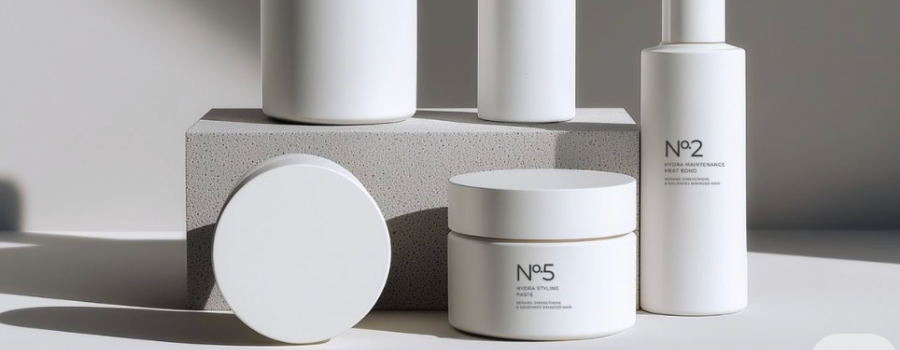
The Product Guide Every Extension Specialist Actually Needs (Hairspray, Purple Shampoo, Olaplex, and More)
What's actually safe, what needs a lighter touch, and what's mostly marketing, the honest, mechanism-based version.
"Extension safe" on a label means almost nothing alone
Figuring out which products are genuinely safe for hair extensions means understanding the chemistry, not just trusting whatever label says 'extension safe.' Plenty of products get labelled extension safe without much explanation of why. That leaves you repeating a recommendation you can't really defend if a client pushes back. Knowing the actual chemistry behind each product category lets you recommend with real authority instead of just reading a label back to them.
Hairspray and gel: yes, mostly, but it's about placement
Alcohol based hairsprays and stiff hold gels dry hair out faster than they would on natural hair, and they build up more readily right at the attachment point, because there's no scalp oil naturally breaking that buildup down between washes. That buildup is what eventually causes matting and, ironically, the exact slipping clients are trying to avoid. The real rule isn't "don't use these products," it's "don't apply them directly at the root or bond." Style the mid-lengths and ends freely, keep product away from the attachment point, and step up wash frequency a notch for clients who use these regularly.
Purple shampoo: great tool, shorter leash than you'd think
Purple shampoo neutralises brassy yellow tones on lightened hair through the same violet pigment mechanism whether it's on natural hair or extensions. The catch is that extensions don't grow out and self correct the way natural hair does, on natural hair, new growth constantly dilutes any overcorrection, but extension hair has no fresh growth coming through to balance things out. So cap the frequency deliberately: once every week or two is usually plenty. A slight ashy or violet cast between washes is the signal to dial back immediately, not push through it.
Olaplex and bond builders: genuinely useful, but only sometimes
Bond building treatments re link disulphide bonds broken during chemical processing bleaching, lightening, heavy colour work. That's a real mechanism, but it only matters if there's actual chemical damage to repair. On previously coloured extension hair, there's real bond damage for the treatment to address, and it can noticeably improve texture and strength. On virgin, unprocessed extension hair, there's simply less to repair, so the benefit is smaller than the marketing suggests. Ask about the hair's colour and processing history before adding this as a blanket upsell, clients respect an honest "you probably don't need this one" more than you'd think.
The everyday basics that matter more than any single product
A sulfatefree formula matters more for extensions than natural hair, since there's no scalp replenishing lost oil to buffer the stripping effect. Lightweight, frequently applied leave ins tend to outperform heavy creams applied occasionally, since heavy products build up faster right where extension meets natural hair. And a proper wide tooth detangling brush, used before washing rather than after, prevents more breakage than most serums combined boring advice, but it's doing more work than almost anything else on this list.
The takeaway
Build every product recommendation around what the ingredient actually does and the client's specific hair history, not around a label's marketing claim. It's a stronger basis for advice, and it shows in how much clients trust you.


Leave a comment
This site is protected by hCaptcha and the hCaptcha Privacy Policy and Terms of Service apply.